Stop4deroute is an initiative started by concerned residents of the Netherlands to stop the process of creating a 4th aviation route and prevent the growth of Schiphol Airport. Their goal is to reach more people, creating a bigger voice. To achieve this, we started with the following research question:
“How can we effectively engage and inspire citizens to support the stop4deroute initiative, while exploring ways to utilize their support in meaningful and impactful ways for the organization?”
Our main challenge was to find a solution to stop the 4th route, which proved to be quite complex due to its economic, social, and environmental aspects.
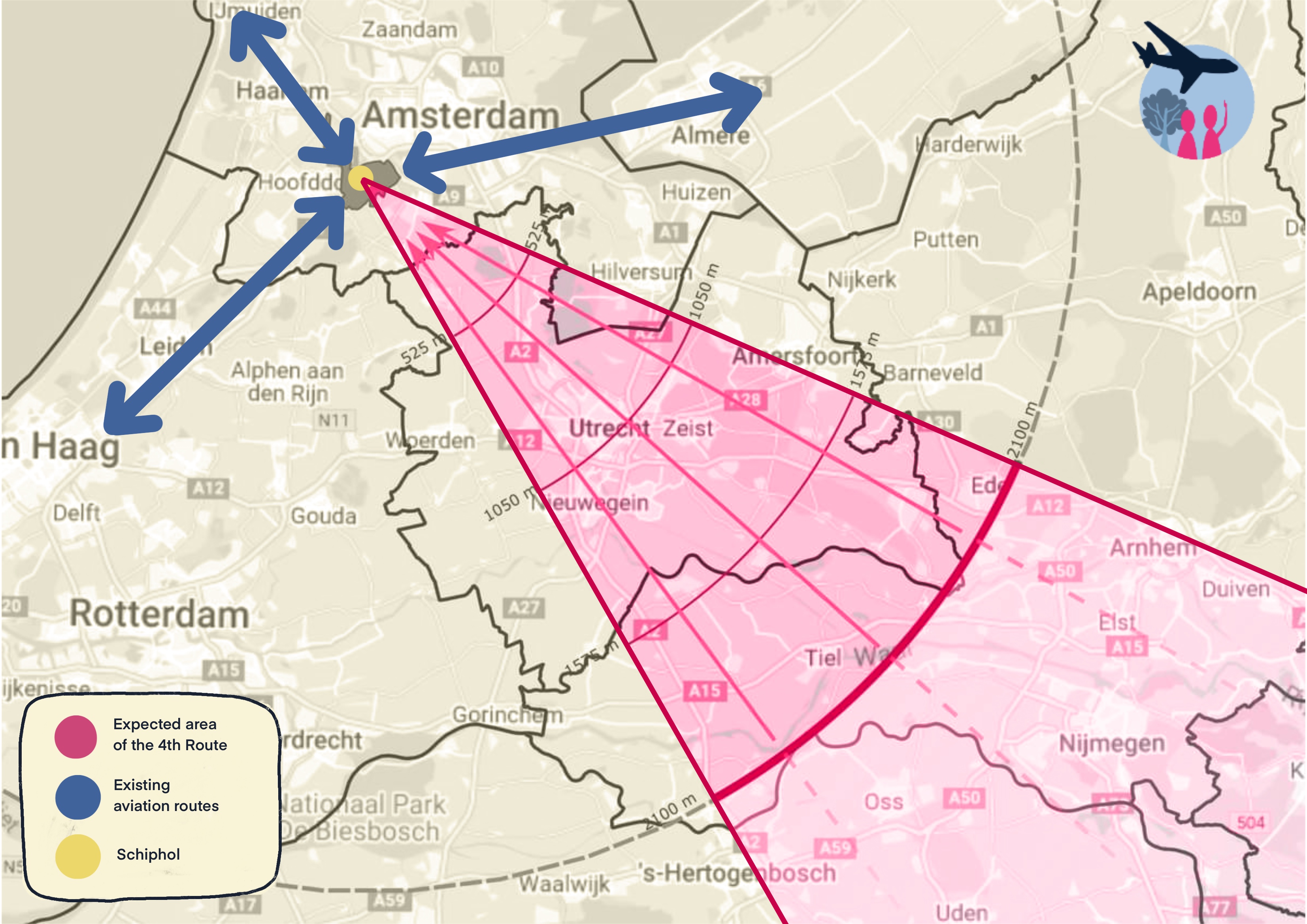
We discovered that many people didn't feel a sense of urgency or personal connection to the 4th route initiative, even though they cared about the environment. We also noticed that while individuals were taking actions on their own, they were less likely to join collective efforts. To address this, we decided to make activism more appealing and positive.
To support our concept we defined three main guiding principles:
There are different reasons why people support and do not support the 4th route. Senses, emotions and experiences are the main reasons why people take action. The more personal a trigger is, the more people are prone to act.
A lot of people are aware of collective issues but they tackle them individually. The bigger a group is, the stronger the message. Having a community helps to create long-term commitment.
Distinct strategies complement each other, reinforcing the impact ofcollective action. Previous examples of successful initiatives show that different methods combined - such as demonstrating, lobbying, legalaction, media campaigns, dialogue and relationship building - achieve desired results.
We held a Co-Design session with different stakeholders to explore ways to motivate people to take action. Through activities and discussions, we learned about the value of teamwork and communication. We also used a hypothetical story about beavers facing urgent issues to generate innovative solutions. Additionally, we examined the advantages and disadvantages of individual and team approaches and developed problem-solving strategies.
To attract those who were not drawn to traditional forms of protest, we developed a solution consisting of a poster, a video, and the impact gathering called "Rondje voor de toekomst".
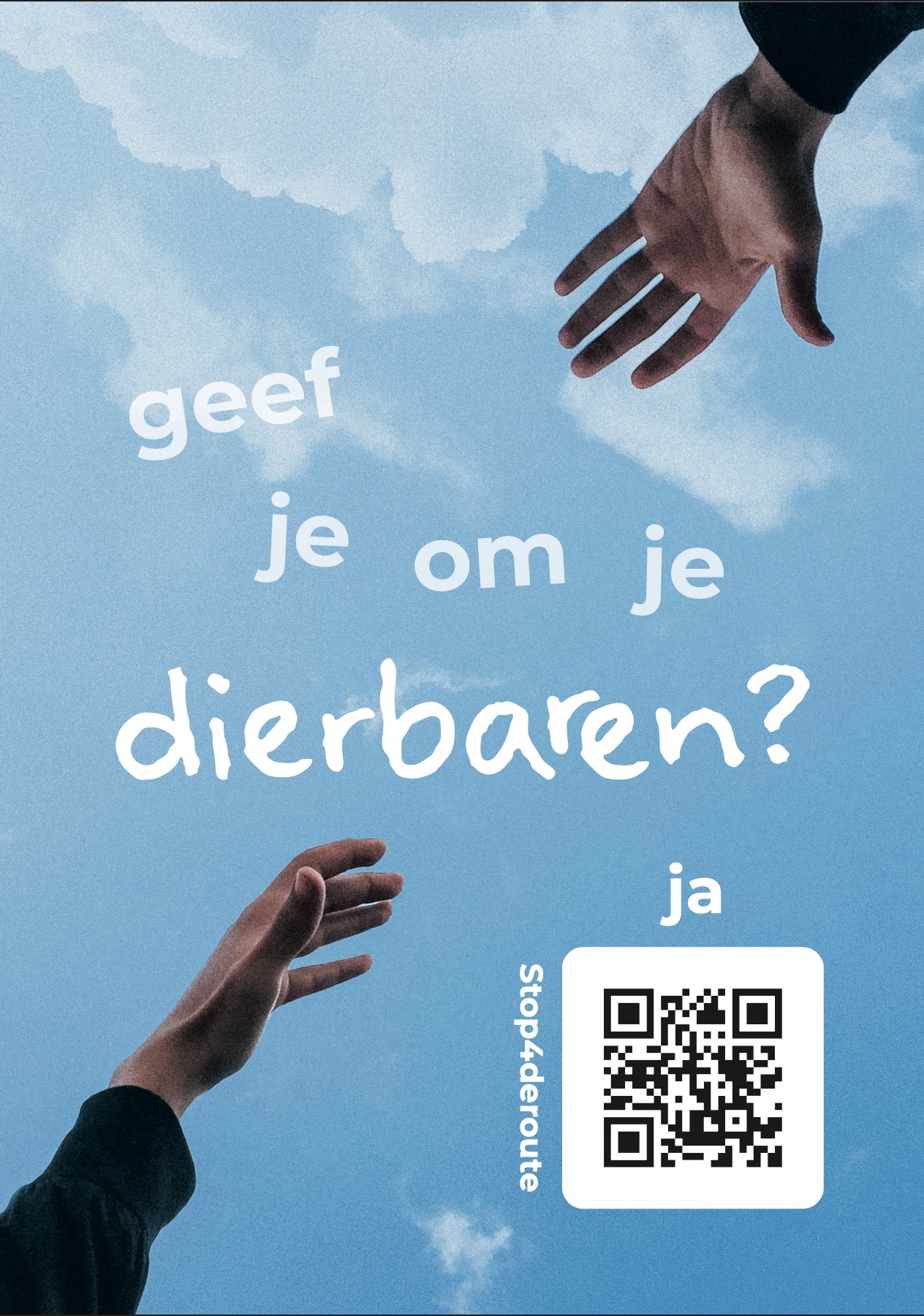
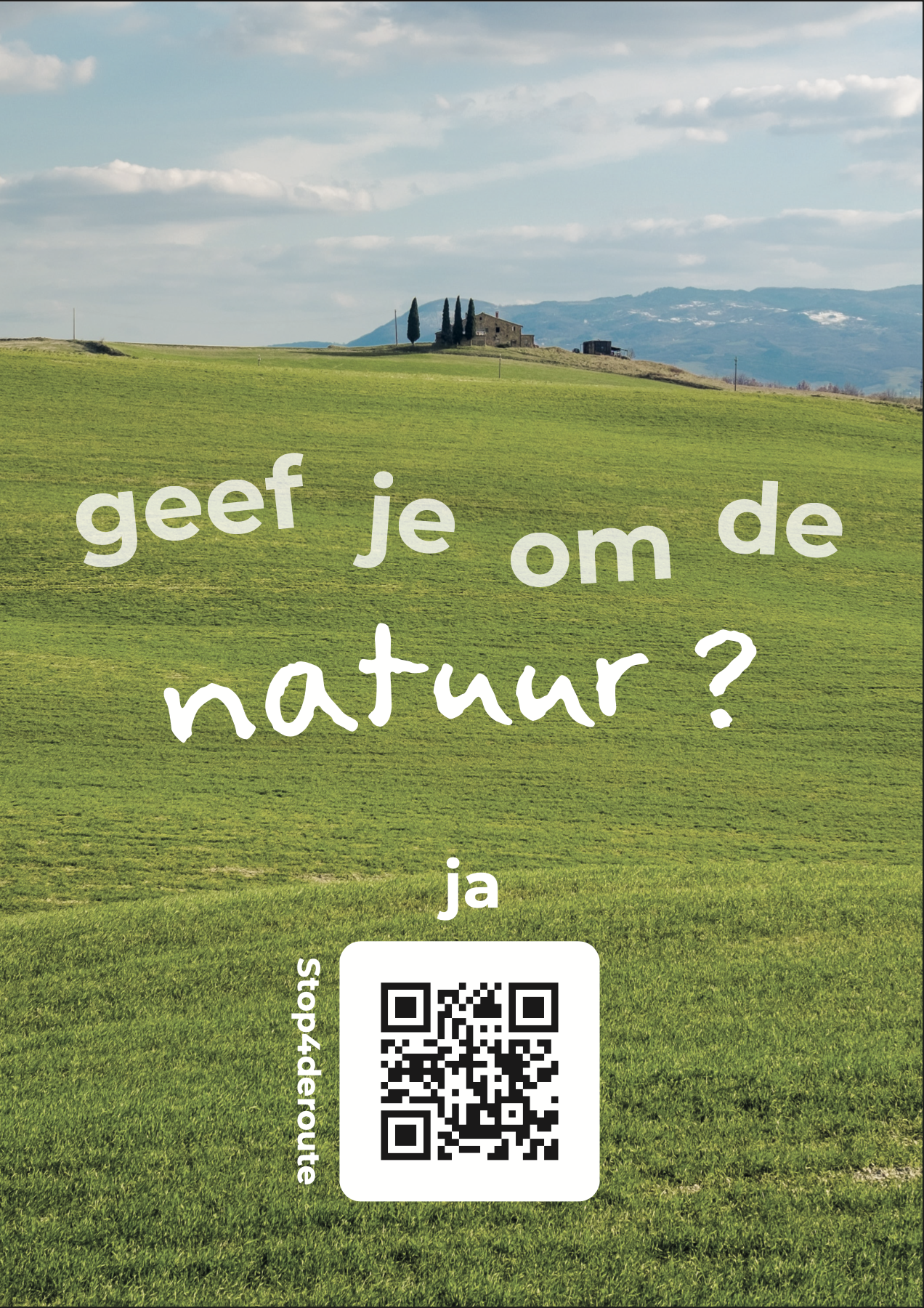
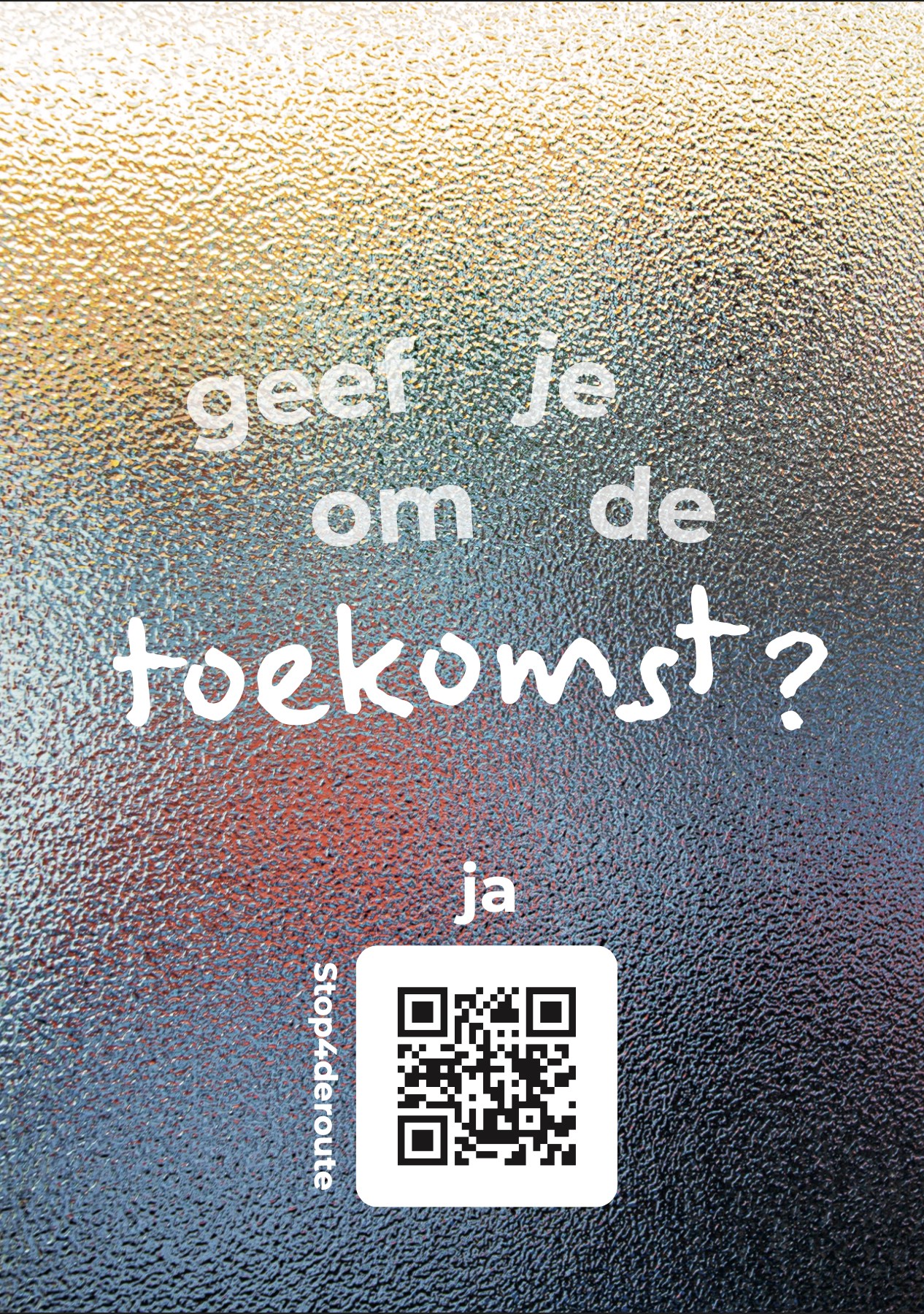
The minimalist poster focuses on important aspects that resonate with people, while the QR code leads to the organization's webpage.
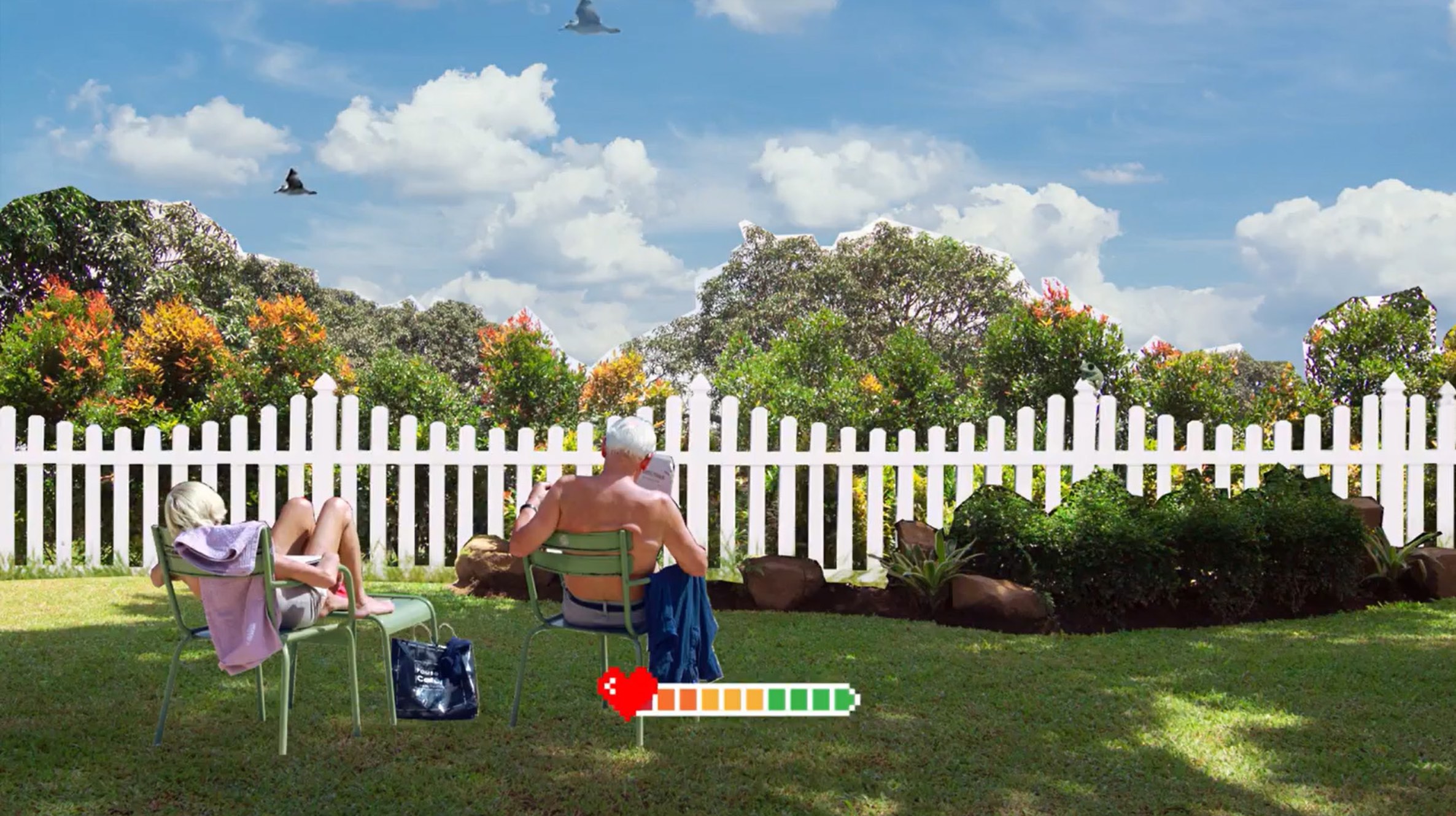
On the webpage, a short and engaging video explains the connection between the 4th route and our future, appealing especially to a younger audience. The goal was to spark curiosity, raise awareness, and inspire individuals to participate in the activity. With the video we wanted to engage and motivate people to go to the "Rondje voor de toekomst" and be part of the movement.
The impact gathering consists of an activity conducted within the community. It is a way of giving visibility and creating awareness of the importance of stopping the 4th route while also starting a converstation and finding solutions together.
The concept is based on two main "Rondjes" (circles) where curious and active individuals can join, and a thtird circle that works as an information point.
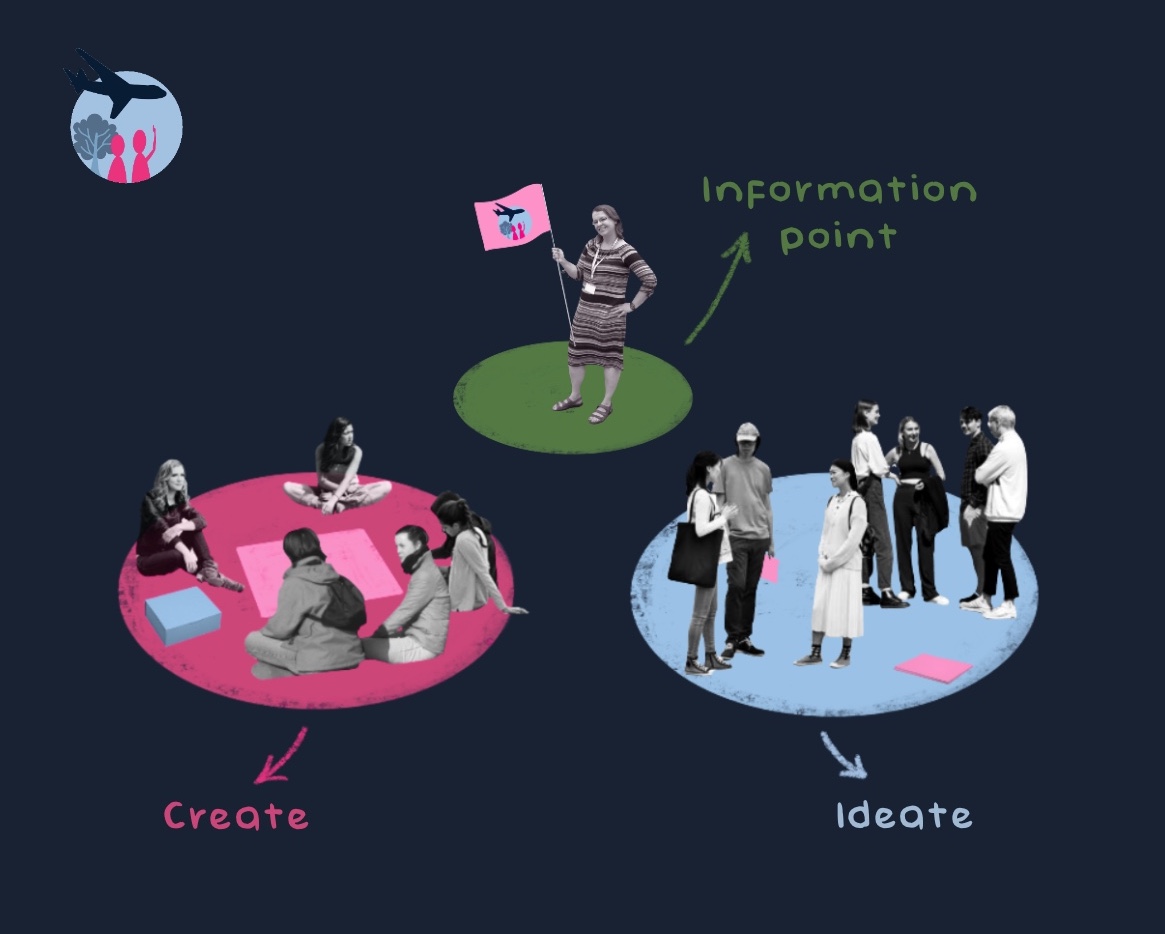
To engage different types of audiences, we created two circles: "ideate" and "create." The "ideate" circle encouraged practical and curious individuals to brainstorm and think creatively, while the "create" circle focused on structured and pragmatic participants implementing the ideas. This approach ensured inclusivity and allowed for diverse contributions, fostering collaboration and a sense of belonging for all participants.
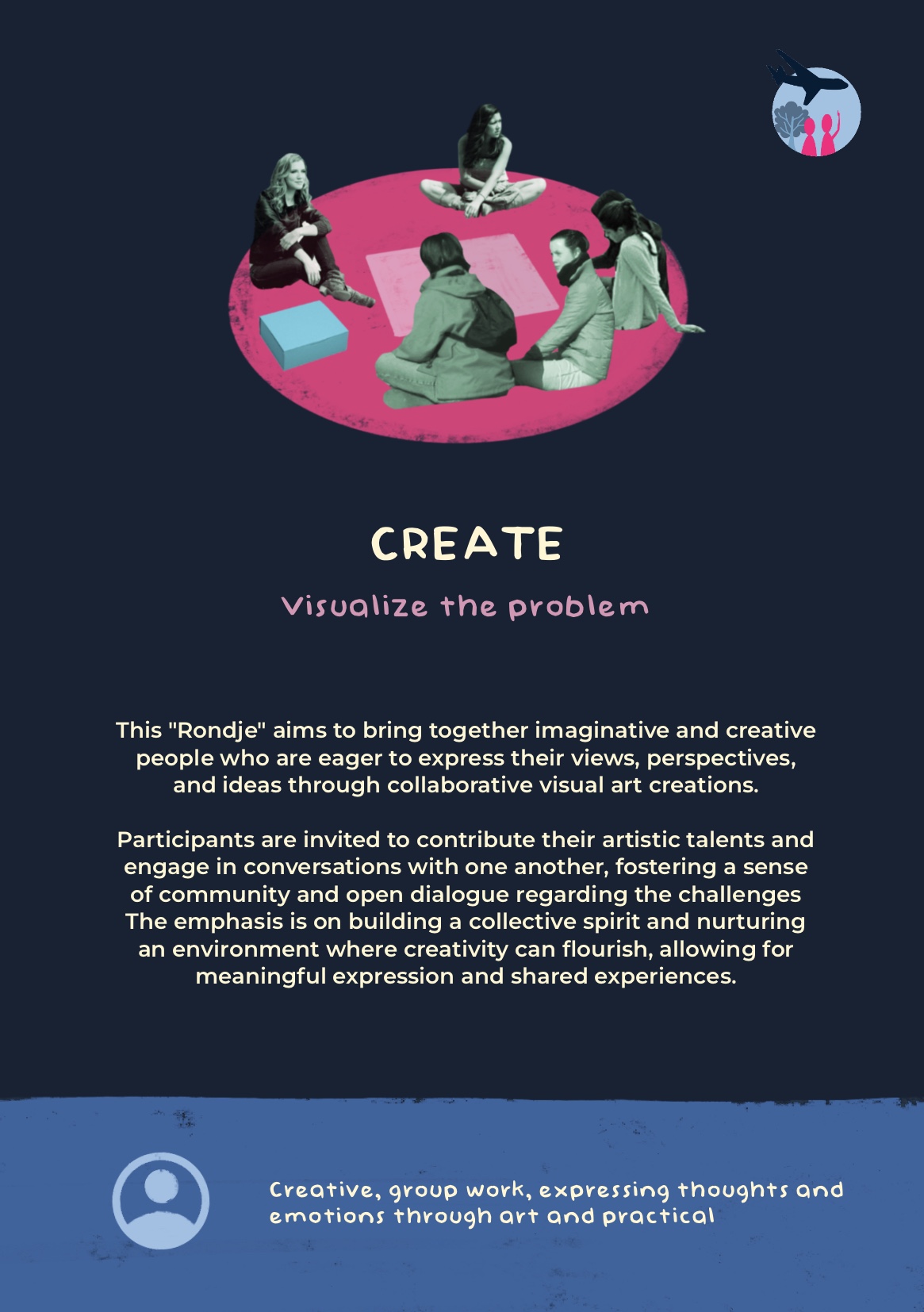
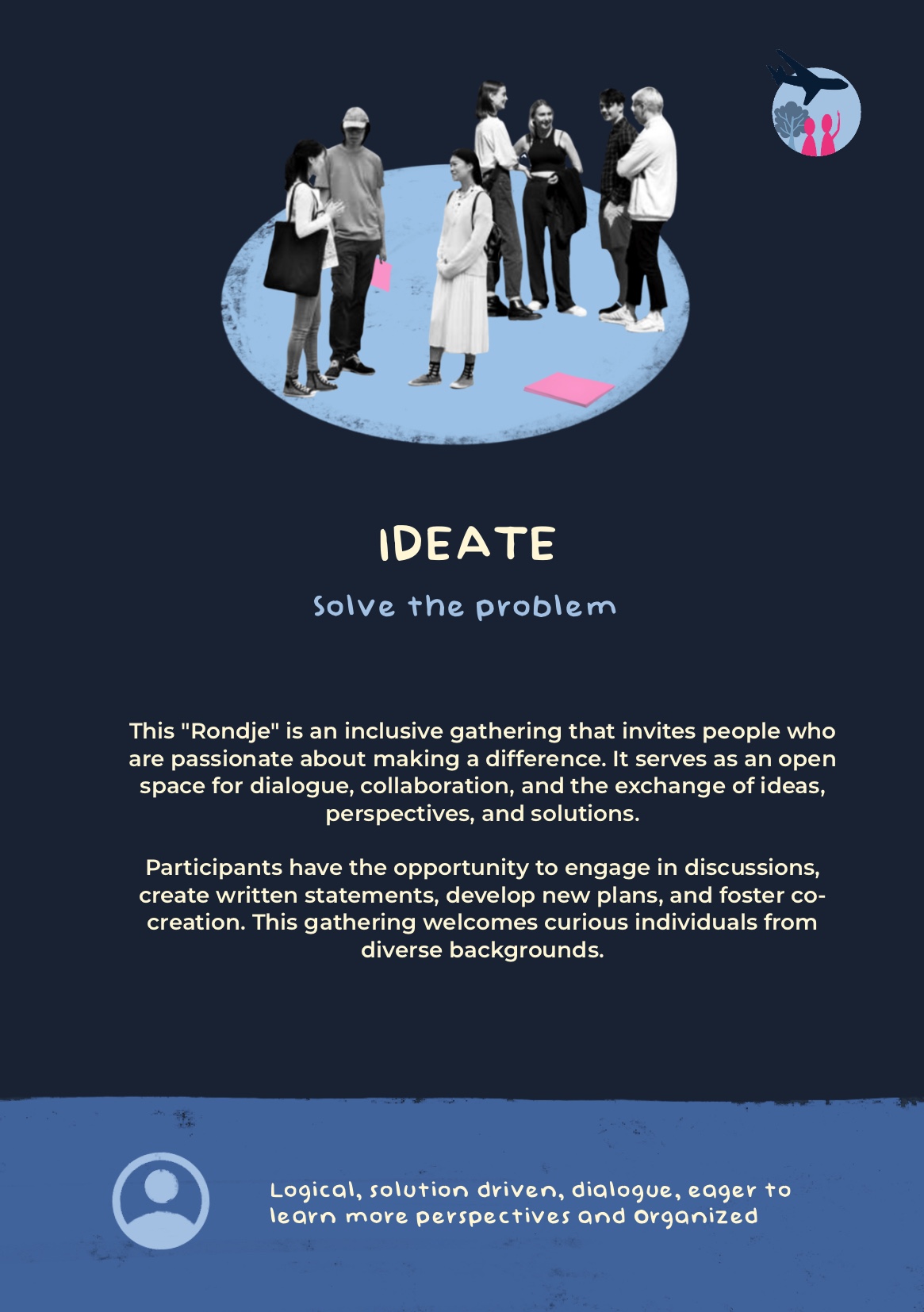
For the final solution, we prepared a detailed document with research and insights, an exposition box with color-coded cones and ropes, and a flyer. The document supports our solution, while the expo box provides materials for the activity, and the flyer summarizes the core idea and offers tips and suggestions.
During this project, I had the opportunity to gain valuable insights into working with clients. One important lesson I learned was the value of finding common ground and striking a balance between our beliefs and the clients'. Understanding their expectations and perspective was essential for clear and effective communication.
Expressing my thoughts with confidence, even when they differed from the client's initial perspective, proved to be crucial. Sharing my professional opinions openly led to productive discussions and helped us find the best solutions for the project. I also discovered the importance of teamwork and feeling supported, both professionally and personally. Regular check-ins in our team allowed us to assess our energy levels and ensure a positive working environment. We prioritized enjoying the process and aligning our efforts with where our energy thrived.
In summary, this project taught me the importance of effective communication, being open-minded, and having the courage to stand up for what I believed in. It emphasized the value of teamwork, energy alignment, and finding common ground between client needs and personal values.
