AKC (Arbeidsdeskundig Kennis Centrum) is a knowledge centre that focuses on contributing to labour expert professionals and promoting a sustainable work environment in the Netherlands. They do this by making research and collaborating with organisations on new and relevant topics for labour experts. Research that has been done includes: the reintegration of disability, developing and promoting employment with work disabilities, the added value of a social network when reintegrating, amongst others. AKC promotes knowledge sharing and works as a link between new knowledge and labour experts.
Nevertheless, the professionals are not making enough use of the knowledge provided by AKC. This leads to the following research design question:
How can we ensure that Labour Experts in professional practicemake use of the latest available knowledge?
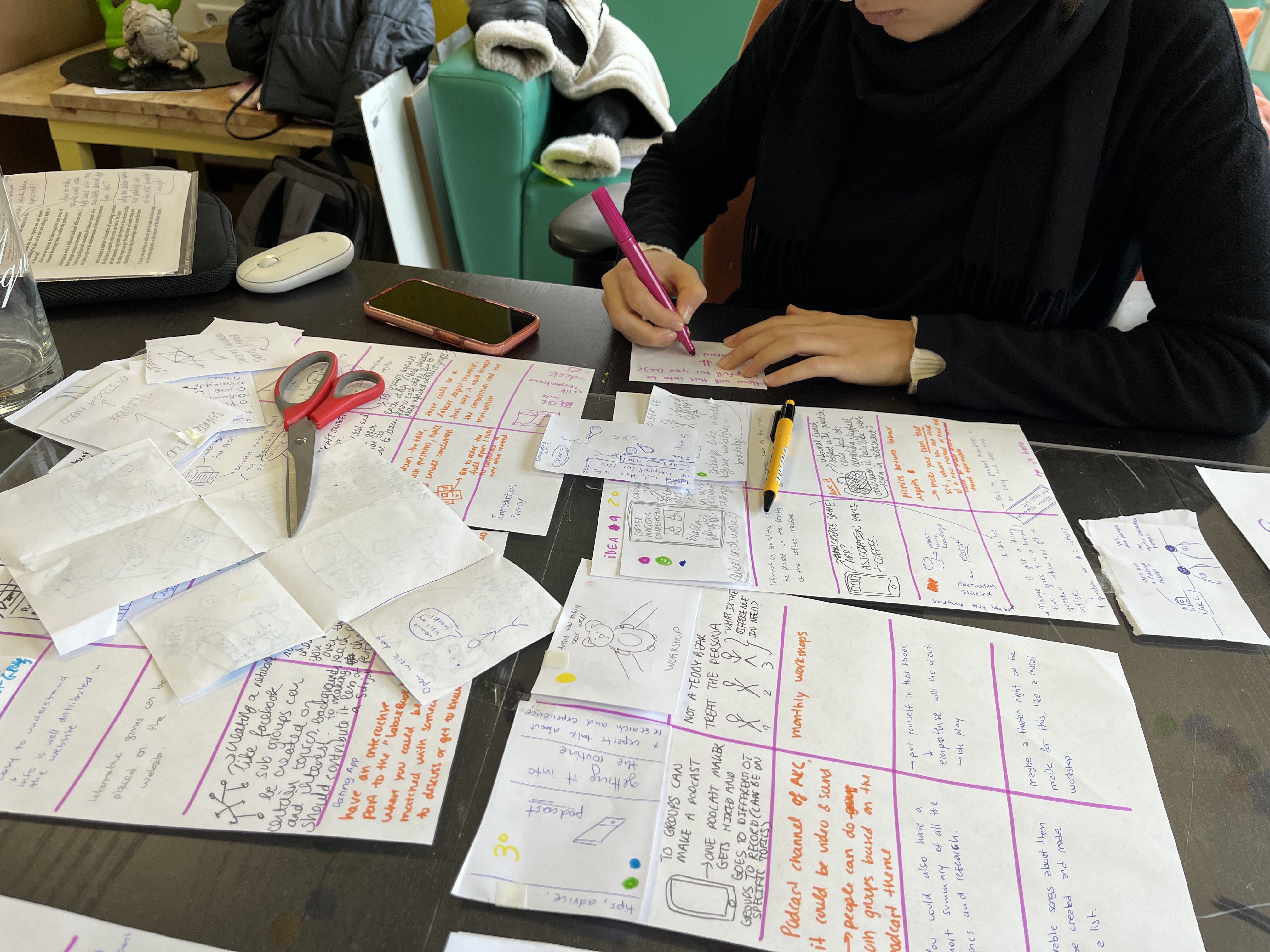
In a period of four weeks, we worked on the challenge presented to us. We did this by following the design thinking process, which consists in four phases that can be iterated as many times as needed.
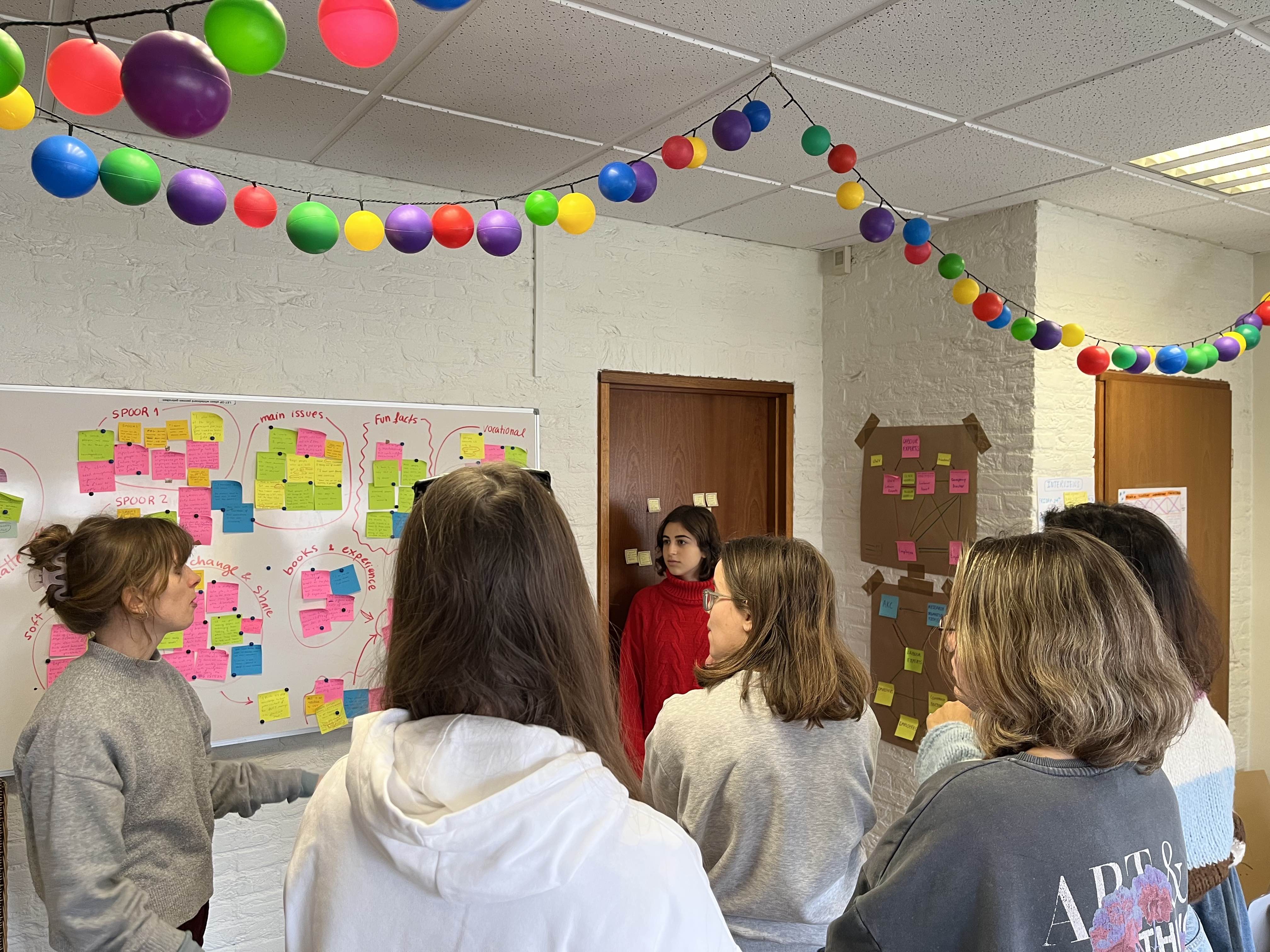
After conducting desk research, we recognized the importance of gaining a comprehensive understanding of AKC, the labor experts, and their working system. We delved into the needs of the labor experts, their routines, information sources, and motivators.
Simultaneously, we explored AKC's role in providing knowledge and how they were perceived by the labor experts. Gathering insights from various stakeholders, including labor experts, company doctors, researchers, and patients, proved essential in understanding the complex dynamics and differing perspectives within the system. With these insights, we formulated guiding principles that drove our project's priorities and guided us throughout the design process.
Guiding principles:
1. Prioritize soft skills over knowledge: Labour experts report that the first years of their profession are accompanied by books, but the rest is based on life and work experience.
2. Knowledge needs to be practical, accessible, and easy to use: Labour experts prefer physical meetups, where people can talk and interact with each other.
3. Motivate labour experts to learn new knowledge: While AKC provides an extensive amount of scientific knowledge, it can be overwhelming for labour experts to navigate due to its sheer quantity.
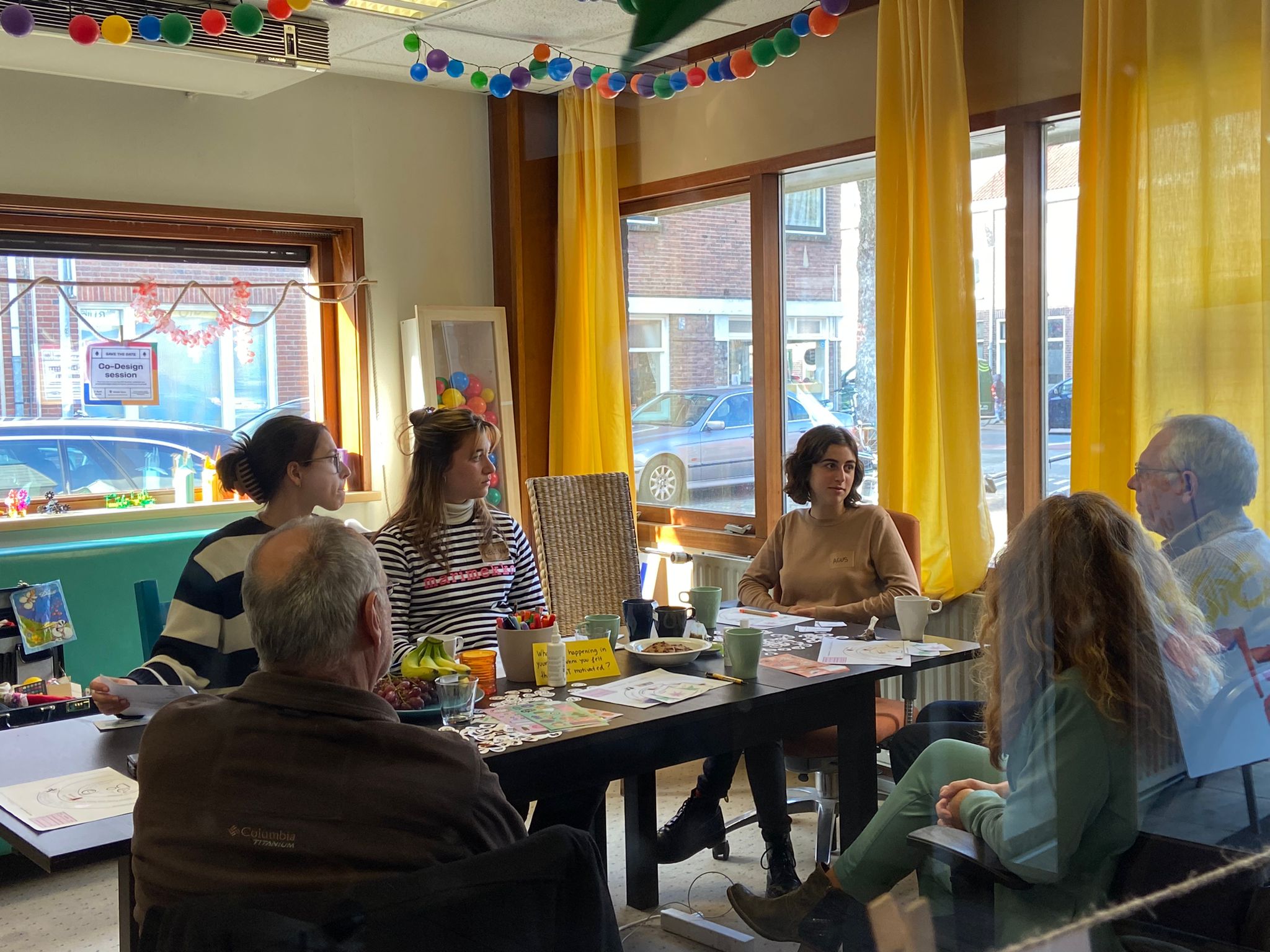
We organized a co-design ssession with our clients and stakeholders. Despite having a smaller group than we expected, we discovered that it allowed for more active participation and valuable insights. We adjusted our plans when we ran out of time, focusing on the most important parts. Hosting the session and guiding the participants was a rewarding experience for me.
Our goal was to find ways to motivate and engage labor experts in using the knowledge provided by AKC. By involving stakeholders in the session, we aimed to create a solution that meets their needs and encourages their active involvement.
During one of our activities, we presented a hypothetical scenario involving penguins in the North and South Poles trying to communicate. The participants came up with creative solutions that highlighted the importance of utilizing existing resources and what already works. This insight directed our approach, emphasizing the need to create a solution compatible with the routines, information sources, and social connections of the labor experts.
By aligning our solution with their existing practices, we ensured a seamless integration and increased the likelihood of adoption. It taught us the value of working within established frameworks and using what already works for effective and sustainable outcomes.
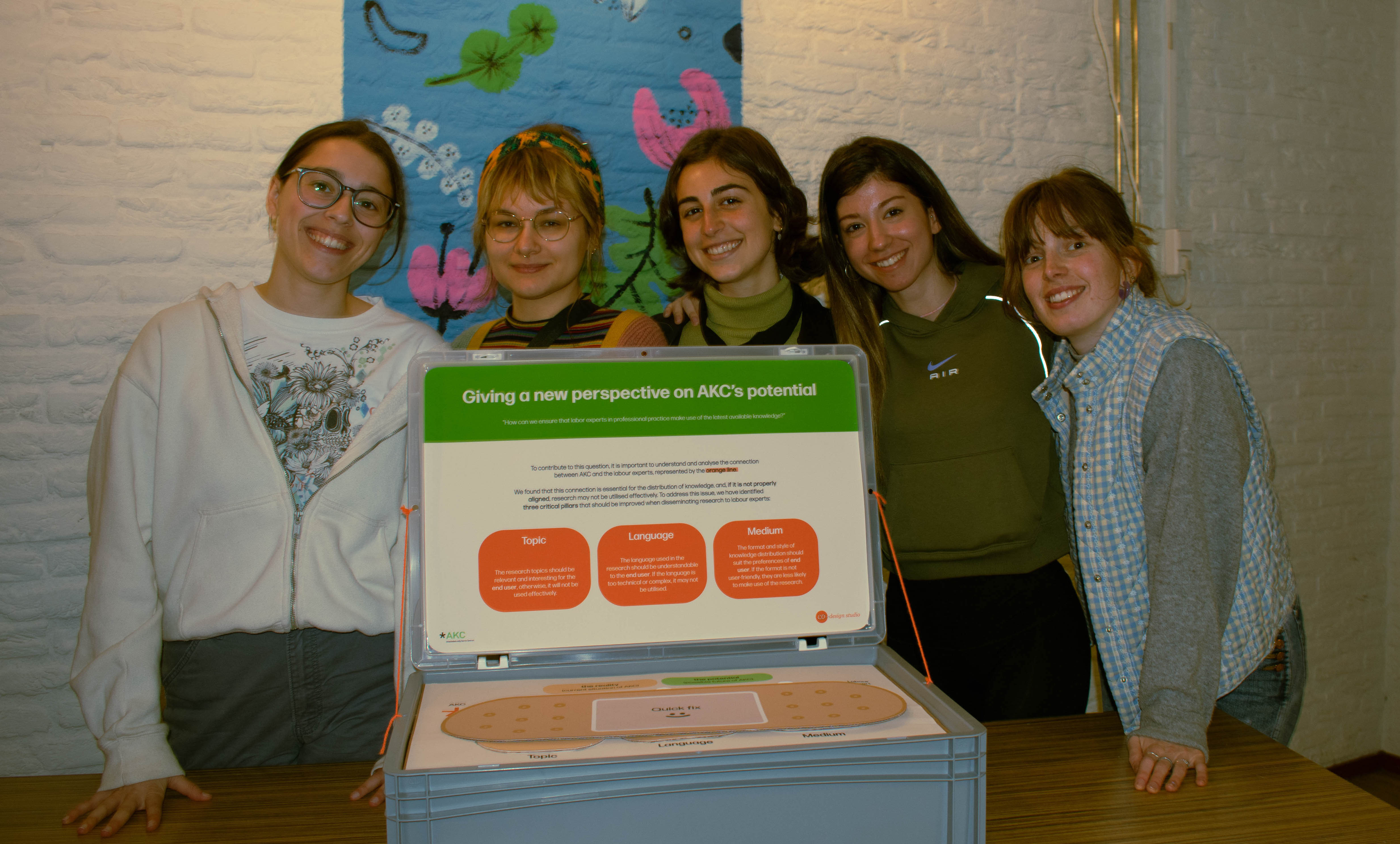
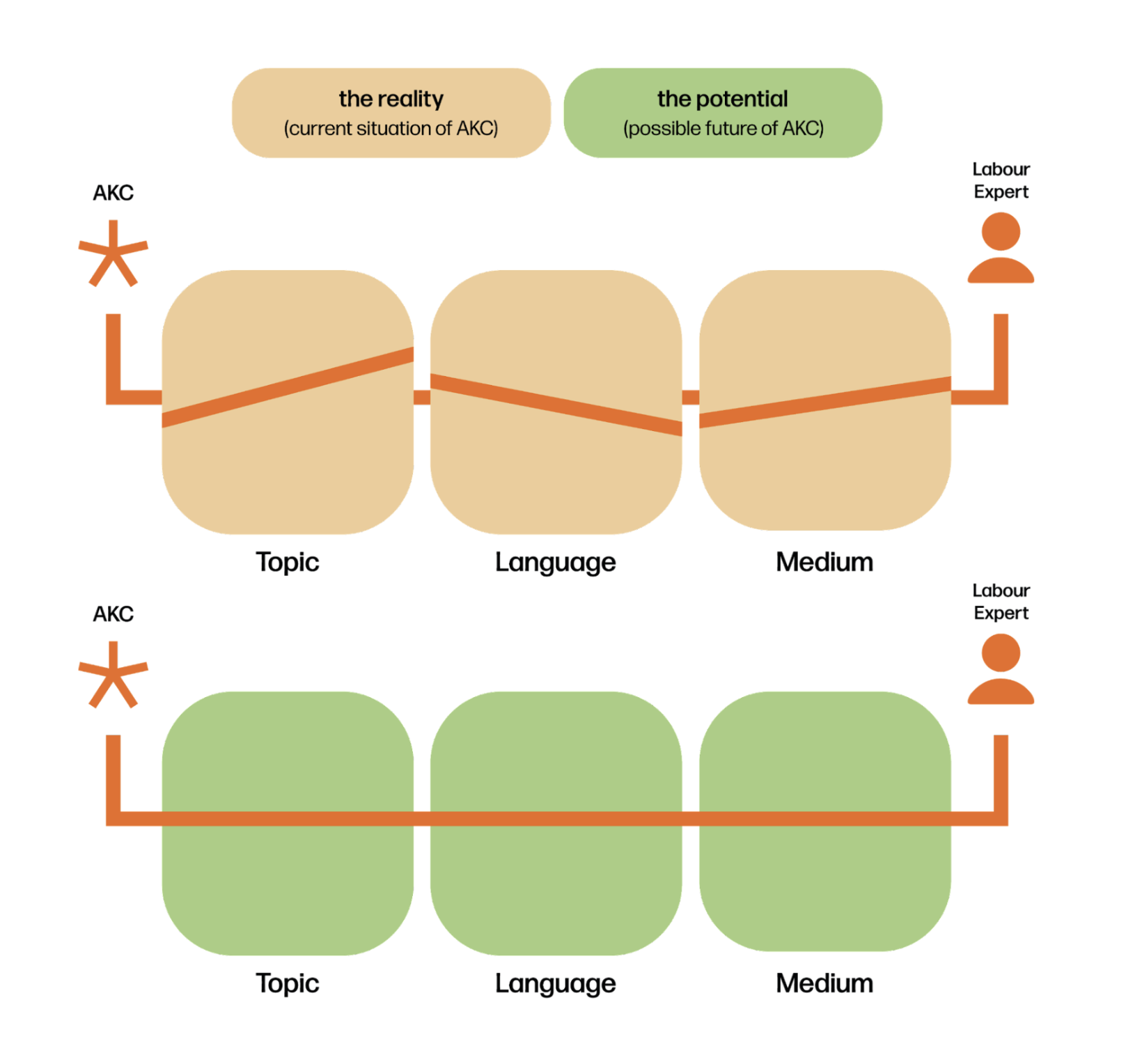
Upon realizing that our initial ideas were not addressing the root cause of the problem, we decided to pursue a more sustainable solution. We understood the importance of being flexible and responsive to feedback. Our goal was to create a solution that would address the underlying challenges in the knowledge distribution process. We proposed that AKC takes a step back and examines the overall system they are part of. We aimed to provide an overview of their current situation, identify areas for improvement, and showcase the potential benefits of addressing these needs. We identified three critical pillars that should be improved when disseminating research to labor experts.
TOPIC: For research to be effectively utilised, it is important that the topics are relevant and interesting to labour experts.
LANGUAGE: Research language must be easily understandable to end-users. If the language is too technical or complex, it may not be used.
MEDIUM: To ensure effective knowledge distribution, it is crucial to consider the preferred format and style of the labour experts. If the format is not user-friendly or does not align with their preferences, they may be less inclined to utilise the research.
By prioritizing these three pillars, we aimed to enhance the utilization of the latest available knowledge by labor experts in their professional practice. We presented an overview of AKC's current situation and provided recommendations on areas that could be improved to unlock their full potential. Additionally, we shared an inspirational view of the future scenario AKC could achieve by addressing the identified needs and aligning with our proposed solutions.
As a design professional, I found myself taking on a proactive role within the group, which was something I really enjoyed. However, I also realized the importance of open communication. In our team, we faced some challenges when it came to distributing the workload. We discussed the issue, but looking back, I now see the value of addressing it promptly when it first arose.
I also learned how to effectively express my needs within a group and establish boundaries between work and personal life. While there were a few late nights towards the end of the project, for the most part I was able to keep a balance between both.
Furthermore, this experience reaffirmed my belief in trusting the process. In the beginning, everything may seem abstract and chaotic, but as time progresses, ideas and concepts start to fall into place and make sense. It served as a reminder to have faith in the journey and embrace the evolution of the project.